
**Halloween as a Joyful Holiday**
Halloween, celebrated each year on October 31st, is often associated with ghosts, monsters, haunted houses, and a general air of spookiness. At first glance, its symbols—grinning jack-o’-lanterns, witches, skeletons—might give the impression that Halloween is a dark or frightening holiday. However, beneath this eerie exterior lies a holiday centered on fun, creativity, and community. By exploring its traditions, the psychological effects of celebration, and the role it plays in social life, we can clearly see that Halloween is, above all, a joyful holiday.
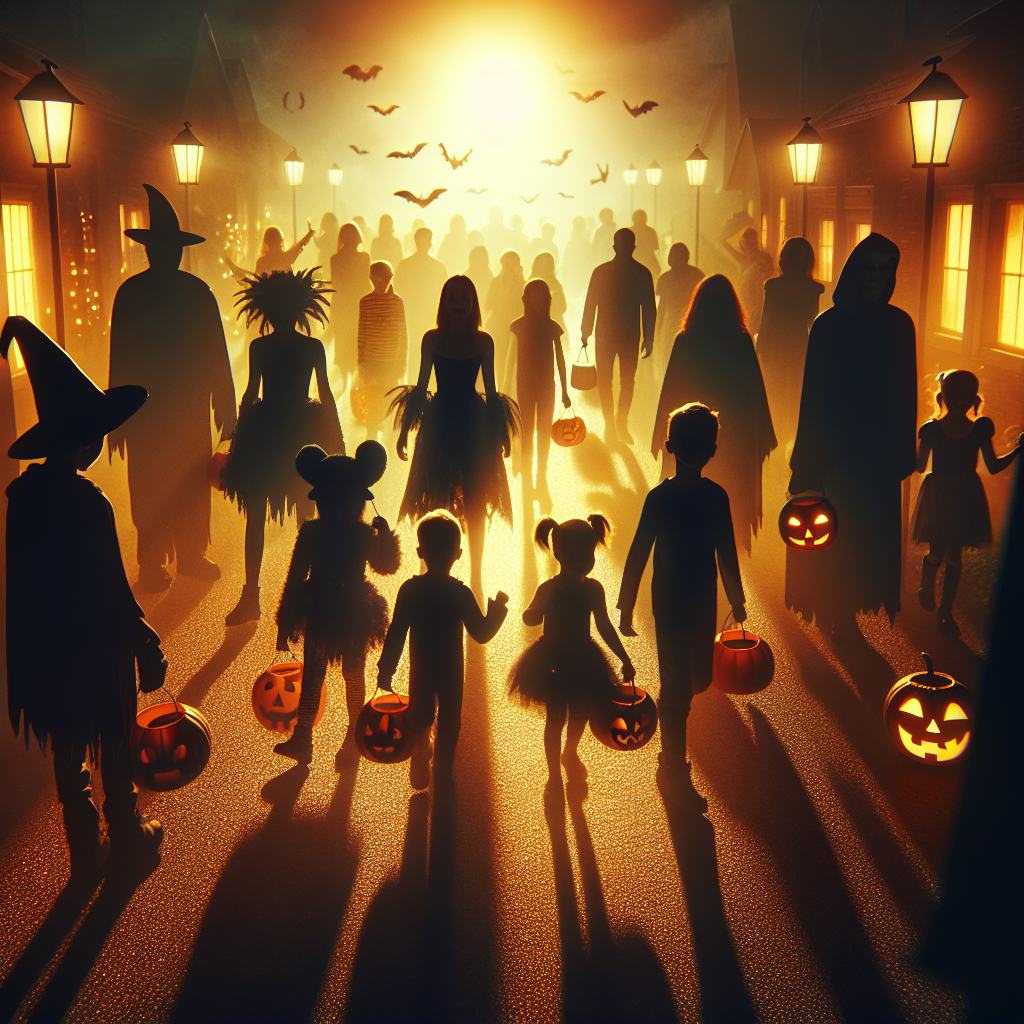
Firstly, the traditions surrounding Halloween are largely rooted in playful enjoyment rather than fear. Consider the popular activity of dressing up in costumes. For children and adults alike, selecting a Halloween costume encourages imagination and self-expression. Whether someone opts to be a superhero, a movie character, or a humorous pun, costumes allow individuals to step outside their everyday roles and explore alternate identities in a safe, welcoming context. Similarly, the practice of trick-or-treating, where children go door-to-door to collect candy, fosters excitement and anticipation. The joy of collecting treats and the friendly competition over which house gives out the best candy add to the festive atmosphere.
Secondly, Halloween activities encourage social connection. Communities organize haunted houses, pumpkin carving contests, and parties, bringing people together who might otherwise not interact. These gatherings strengthen community bonds and create lasting memories. For college students, Halloween parties are a chance to unwind in the midst of a busy semester and to form deeper friendships through shared experiences, such as group costumes or collaborative decorations. On college campuses, pumpkin painting nights or themed dances provide low-stress opportunities for creativity and camaraderie.
From a psychological perspective, joyful holidays like Halloween have significant positive effects. Engaging in holiday festivities provides a break from routine, reducing stress and boosting mood. Anticipation for the holiday sparks excitement, and participating in group activities fulfills fundamental human needs for socialization and belonging. Additionally, by playfully confronting themes of fear and the unknown, Halloween allows individuals to process anxiety in a light-hearted way. Rather than being genuinely scared, people laugh at fake cobwebs and rubber bats, making fears seem surmountable or even silly.
Finally, Halloween offers room for inclusive, intergenerational fun. People of all ages participate, from toddlers in cute costumes to grandparents handing out candy. The shared nature of the celebration supports family traditions and neighborhood spirit. Unlike some holidays with exclusive religious or cultural ties, Halloween has become a broadly accessible event in many places, making it easy for diverse groups to join in the revelry.
In conclusion, despite its spooky symbols, Halloween is fundamentally a joyful holiday. Through engaging traditions, opportunities for social connection, psychological benefits, and inclusive festivities, Halloween fosters happiness and togetherness. The costumes, treats, and laughter that fill the last night of October each year demonstrate that, for most people, Halloween brings out not fear, but joy.